Resources
Tools to Take Action
Print and share the campaign postcard, sign the active petitions, and find the embassy or representatives nearest to you. Everything here is free to use and free to adapt.
Email Templates
The outreach letter and the ready-to-send one-click letters now live on their own page: Letter Campaigns.
Petitions
A signature takes less than a minute, and signature counts give weight to the letters we send. These are active petitions from established organizations working against the same networks we investigate.
- Lady Freethinker · 143,000+ signatures Justice for cats tortured and killed for online views Urging officials to investigate the torture video networks and pass legislation against them. Sign this petition
- Change.org · Adelaide, Australia Urge Adelaide University to hold student Tianxiao Zhao accountable for the death of his roommate's cat Asking the University Council and the Student Conduct Committee to answer a list of questions regarding Zhao's current standing at the university. Sign this petition
- Change.org · Jieyang, Guangdong, China The Tragedy: Innocent Animal Lives Destroyed Requesting action on the legal loophole allowing animal abuse in China, after the slaughter of a mother dog named Wang Wang and her three 14-day-old puppies. Sign this petition
Printable Materials

Campaign Postcard
An A6 postcard, in English and Chinese, urging China to introduce comprehensive animal welfare laws and to prosecute those involved in animal abuse. Print it, hand it out, mail it, or share the file. Designed by the Project No More art team.
QR Code Poster
A printable poster linking straight to Project No More. Print it, hang it around your city, stick it on a bulletin board, or tape it in a window. Anyone who scans the code lands on the site and can learn, share, or get involved.
Sticker Sheet and Cards
One sheet, three sizes. Print on sticker paper for stickers, or on cardstock or heavy paper for cards. Stick them on your laptop or water bottle, leave cards around town, or hand them to friends and family. Every scan leads straight to the site.
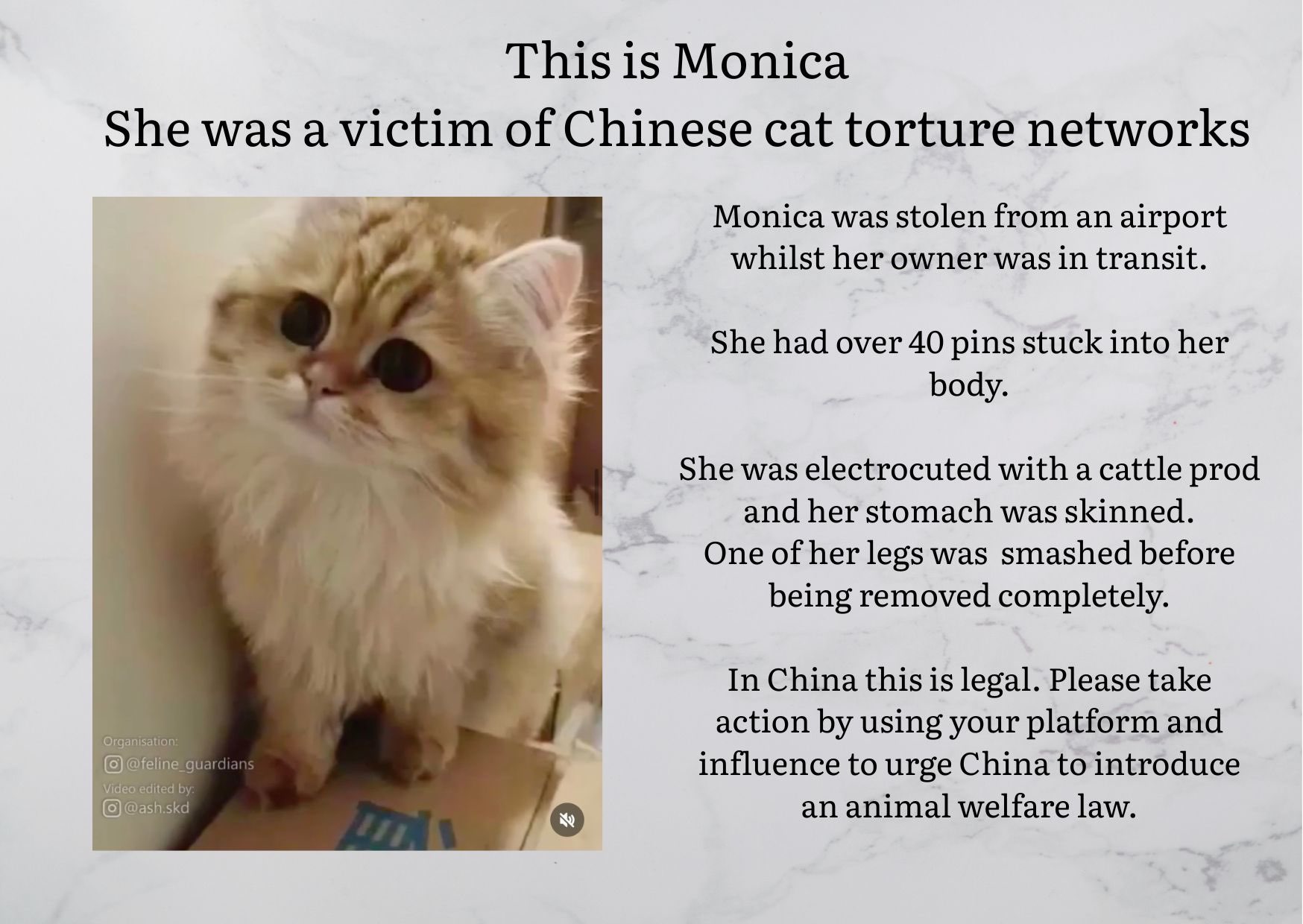
Victim Postcards
Individual tribute postcards for the victims. Choose a design, then download or print it. Each postcard carries one name and one story.
Contact Embassies and Representatives
Pressure works when it lands on the right desk. Find your local Chinese embassy and your own elected representatives, then send the letter above or write your own.
-
Find a Chinese embassy near you A worldwide directory of embassy contact details, including the Chinese missions in most countries.Embassy directory
-
Contact your own representatives Ask your government to raise organized animal cruelty through diplomatic channels. The contact tool on our home page lists representatives and cruelty-reporting bodies by country.Open contact tool
Education
Background on the organized cat torture networks, reported and investigated by people outside Project No More. The work, data, and research below belong to them; we are not affiliated with these outlets or creators, and we take no credit for any of it. We are only pointing you to it, and we are honored to share it.
Articles
-
Feline Guardians Registered 501(c)(3) charity fighting organized online cat torture, with reporting and ways to help.Visit site
-
BBC News Undercover investigation into the international torture network, including members traced to the UK.Read
-
CNN Investigation into the online networks that profit from selling cat torture videos.Read
Recommended Reading
Longer reads suggested by Project No More volunteers, for anyone who wants the cultural and political context behind this crisis. We found these books insightful and share them on that basis; recommending a title is different from endorsing every argument inside it. None of the links below earn us anything.
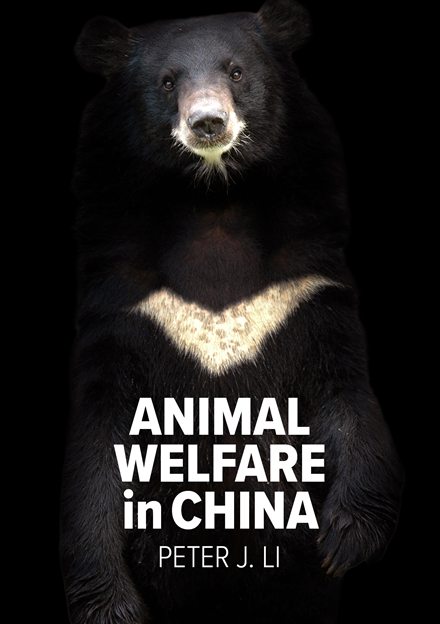
A political scientist's study of how modern China treats its animals, covering the wildlife trade, bear farming, animal agriculture, the fight over dog meat, and the activists pushing for change. Li traces the crisis to decades of breakneck economic growth and documents China's own centuries-old traditions of compassion toward animals; the case against blaming Chinese culture is one of the strongest threads in the book.
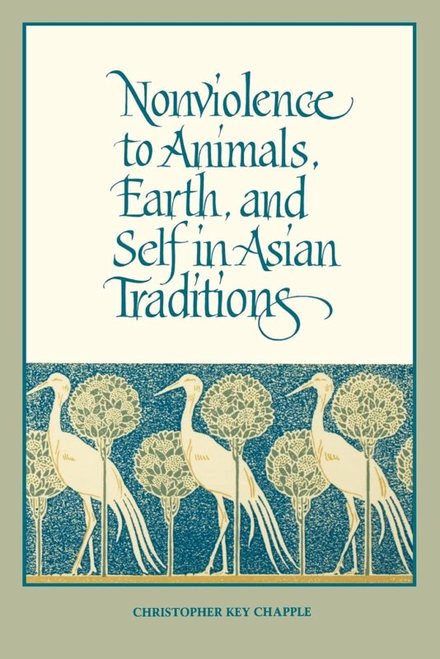
A scholar of Indian religions traces ahimsa, the ancient discipline of nonviolence, from its Jain origins through Hindu and Buddhist traditions and into East Asia, then follows it forward into modern vegetarianism, animal protection, and environmental thought. The book is a standing answer to anyone who claims compassion for animals is a Western import; Asia has carried this principle for over two thousand years.
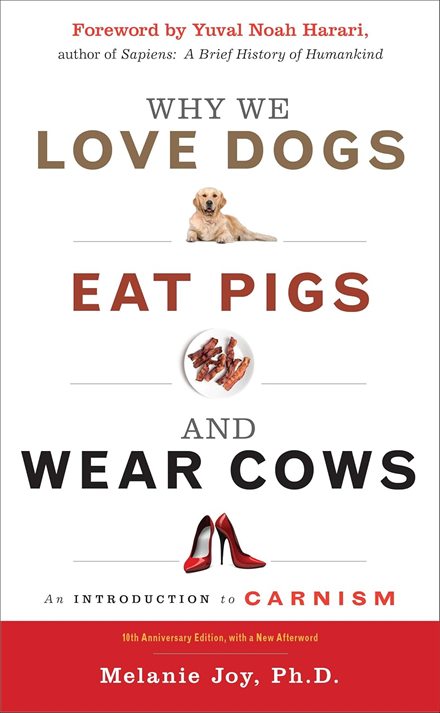
A social psychologist's introduction to carnism, her name for the invisible belief system that teaches a culture to love some animals and eat others. The mechanisms she describes, the numbing, the looking away, the sorting of animals into categories that decide their fate, are the same ones that let organized cruelty operate in plain sight.
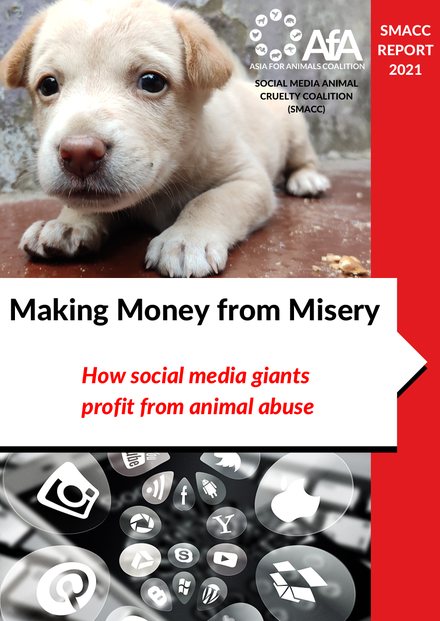
The report that mapped this industry: 5,480 videos of animal cruelty documented on YouTube, Facebook, and TikTok over thirteen months, and the advertising money that keeps them profitable. This is the industry we investigate, laid out with data, platform policies, and the reporting systems that fail; it remains the clearest public accounting of how abuse content pays.

Three Chinese law scholars work through more than 2,700 criminal judgments to show how a code with no animal cruelty offense still reaches abusers, with courts stretching property, public safety, and market charges to cover the gap. The heart of it for our work is its account of the torture-video industry, the coded groups, the pricing, the livestreamed sessions, and its argument that two existing cybercrime statutes could prosecute the producers and sellers right now, without waiting for an animal protection law to pass. Peer-reviewed and open access; the clearest map so far of the legal terrain our Chinese cases sit in.
Mental Health and Good News
This work means looking at cruelty on purpose. These are the resources we keep for the days it gets heavy, and a few stories that go the other way.
Mental Health

Support for dealing with graphic and distressing material.
- JED Foundation Protecting Your Mental Health From Violent Content Online How exposure to violent content online affects you, and how to set limits.
- In Defense of Animals Coping With Animal Cruelty Trauma Coping with the grief and trauma of witnessing animal cruelty.
- Erikson Institute Navigating Inappropriate Media Content With Young Children For parents and teachers when a child runs into content they shouldn't have seen.
Positivity
A break from the case files.
- CTV News Muffin the Cat Is Now a Card-Carrying Library Member He turned up at a Montreal-area library every day until the staff made it official.
- Good News Network EU Passes Its First Bloc-Wide Animal Welfare Law New rules across the bloc on how animals are kept, bred, and sold.
- Good News Network Two Litters of Kittens Found on a Shelf at Lowe's Employees found them tucked on a store shelf. A rescue took them in for adoption.
"Mother used to say that however miserable one is, there's always something to be thankful for. And each morning, when the sky brightened and light began to flood my cell, I agreed with her."
Albert Camus, The Stranger